


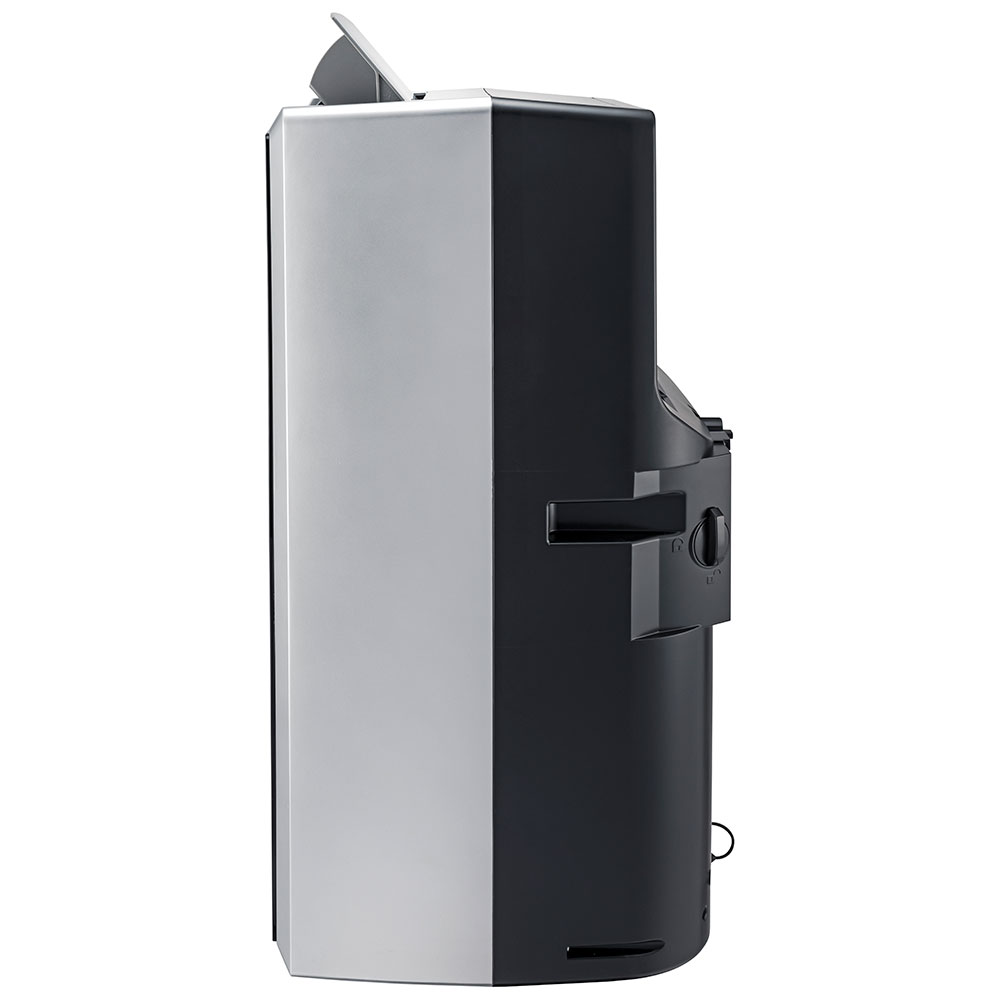


When it comes to keeping cool during hot weather, there are a variety of options to choose from. Two popular choices are evaporative air coolers and portable air conditioners. While both devices are designed to cool a room or space, they work in different ways and have different advantages and disadvantages.
Evaporative air coolers, also known as swamp coolers or desert coolers, use the natural process of evaporation to cool the air. These units consist of a fan, a water reservoir, and a cooling pad. The cooling pad is made of a material that absorbs water, and as air is drawn through the pad by the fan, the water evaporates, cooling the air. The cooled air is then blown back into the room.
Portable air conditioners, on the other hand, use refrigeration to cool the air. These units consist of an air intake hose, an exhaust hose, and a compressor. The air intake hose draws in warm air from the room, which is cooled by the compressor and then blown back into the room through the exhaust hose. The exhaust hose is typically vented through a window to expel the hot air outside.
One advantage of evaporative air coolers is that they use significantly less energy than portable air conditioners. This is because they do not require a compressor or refrigerant to operate. Instead, they rely on the natural process of evaporation, which requires only a small amount of energy to power the fan. This can result in significant energy savings, especially if you plan to run the unit for long periods of time.
Another advantage of evaporative air coolers is that they add moisture to the air. This can be beneficial in dry climates or during the winter months when indoor heating can dry out the air. By adding moisture to the air, evaporative air coolers can help prevent dry skin, chapped lips, and other respiratory problems.
However, there are also some disadvantages to using evaporative air coolers. One major drawback is that they are less effective in humid climates. This is because the cooling effect of evaporation is reduced when the air is already saturated with moisture. In humid climates, the air may feel even more humid and uncomfortable with an evaporative air cooler. Additionally, evaporative air coolers require regular maintenance, such as changing the cooling pads and cleaning the water reservoir, to prevent the growth of bacteria and mold.
Portable air conditioners, on the other hand, are more effective at cooling large rooms or spaces. They are also better suited for use in humid climates, as they do not rely on the natural process of evaporation to cool the air. This means that they can provide consistent cooling even in areas with high levels of humidity.
Another advantage of portable air conditioners is that they are easier to set up and use than evaporative air coolers. Portable air conditioners typically come with a window installation kit that allows you to vent the exhaust hose through a window. Once the unit is set up, all you need to do is plug it in and turn it on.
However, there are also some disadvantages to using portable air conditioners. One major drawback is that they use significantly more energy than evaporative air coolers. This is because they require a compressor to operate, which uses a lot of energy. This can result in higher energy bills, especially if you plan to run the unit for long periods of time.
Additionally, portable air conditioners can be noisy and bulky. The compressor can produce a loud humming noise, which can be disruptive if you are trying to sleep or work. The unit itself can also be quite large and heavy, making it difficult to move from room to room.
In conclusion, both evaporative air coolers and portable air conditioners have their advantages and disadvantages. Evaporative air coolers are more energy
efficient and can be beneficial in dry climates or during the winter months when indoor heating can dry out the air. They are also easier to maintain and do not require a lot of set-up. However, they are less effective in humid climates and require regular maintenance to prevent the growth of bacteria and mold.
Portable air conditioners, on the other hand, are more effective at cooling large spaces and can provide consistent cooling even in areas with high levels of humidity. They are also easier to set up and use than evaporative air coolers. However, they use significantly more energy and can be noisy and bulky, which can be a downside for some people.
When deciding which option is best for you, it’s important to consider your specific needs and preferences. If you live in a dry climate and are looking for an energy-efficient way to cool your home, an evaporative air cooler may be a good choice. If you live in a humid climate or need to cool a large space, a portable air conditioner may be a better option. Ultimately, both devices can help you stay cool and comfortable during hot weather, but they work in different ways and have different advantages and disadvantages.